Not everyone’s teeth are the same. Two people can brush, floss, and see the dentist regularly, yet one enjoys strong, cavity-free teeth while the other battles sensitivity, chips, or repeated repairs. Why does this happen? The answer lies in genetics, diet, oral hygiene, health conditions, and habits. By understanding these factors, you can take steps to protect your teeth no matter your starting point.

Genetics and Development
Your DNA plays a big role in the thickness and quality of enamel and dentin. Some people inherit naturally strong enamel that resists acid and wear. Others are born with thinner enamel that’s easier to erode. Childhood nutrition and illnesses also affect how teeth form—so early health sets the stage for stronger or weaker teeth later in life.
Structure and Bite Alignment
The size, shape, and alignment of your teeth impact their strength. A balanced bite spreads chewing forces evenly. But if your bite is misaligned, or if you grind your teeth at night, stress can concentrate in small areas and cause cracks or fractures. Over time, this weakens your teeth and increases the risk of emergencies like a chipped or broken tooth.
Diet and Health
-
Strong teeth need minerals like calcium and phosphorus to stay hard and resilient. Acidic drinks, sugary snacks, and poor nutrition strip away these minerals, weakening enamel. Health conditions such as vitamin deficiencies, dry mouth, or hormonal changes can also reduce your body’s ability to protect and repair teeth. When weakness leads to pain, prompt care is essential—learn more on our page about emergency toothache relief.
Oral Hygiene and Habits
Even the strongest enamel can’t withstand poor habits forever:
- Skipping brushing or flossing lets plaque and acid build up.
- Brushing too hard with a stiff brush can wear down enamel.
- Clenching or grinding puts teeth under constant strain.
- Chewing on hard items like ice or pens can chip enamel.
Restorations can fail, too. If a crown or filling loosens or breaks, it leaves teeth exposed. Learn more about quick solutions on our page for lost filling and crown repair.
Decay and Emergencies
Cavities start small but weaken teeth from within. Gum disease also reduces support, leaving roots exposed and more vulnerable. When decay or trauma advances, teeth may fracture or require procedures like an emergency root canal to save them. In cases where damage can’t be repaired, replacement options such as dental implants restore function and prevent further problems.
For sudden injuries, our team provides same-day emergency dental care for adults. Acting quickly can mean the difference between saving and losing a tooth.
Why Some Teeth Stay Stronger Over Time
Some people keep their teeth healthy for life thanks to:
- Naturally strong enamel and balanced tooth structure.
- A diet rich in tooth-strengthening minerals.
- Consistent, gentle hygiene practices.
- A healthy bite and limited grinding habits.
Timely treatment of small issues before they escalate.
What You Can Do to Strengthen Teeth
- Use fluoride toothpaste and rinses for remineralization.
- Eat a mineral-rich diet and limit acids and sugars.
- Brush gently with a soft-bristled toothbrush.
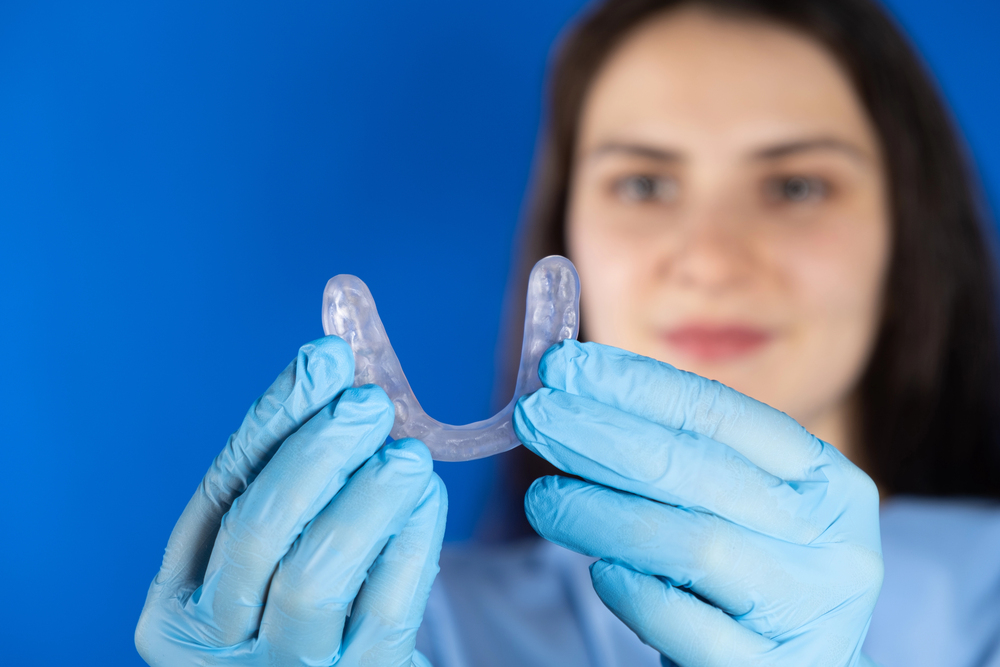
- Get a night guard if you grind your teeth.
- See your dentist regularly for early decay detection.
- Repair damaged restorations promptly.
- In emergencies, don’t delay—call your dentist right away.
Dental Treatments Help Strengthen Teeth
Some people are born with stronger teeth, but everyone can protect their smile with the right care. If you’re dealing with sudden pain, a broken tooth, or ongoing sensitivity, contact Portland Emergency Dentist for fast, professional care.