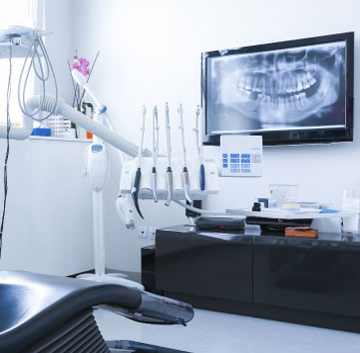
Dental X-rays are one of the most important diagnostic tools in modern dentistry. While your dentist can see the surface of your teeth and gums during an exam, many issues develop below the surface, where the naked eye simply can’t detect early changes. This is where X-rays become essential.
From spotting hidden decay to monitoring jawbone health, dental X-rays help your dentist create an accurate treatment plan and prevent small issues from becoming painful, costly problems. Here’s a clear explanation of why dental offices take X-rays, what they’re used for, and how often you should have them done.
Why Dental X-Rays Are Necessary
Even the most thorough visual exam cannot reveal everything happening inside the teeth, roots, and jaw. X-rays allow dentists to see the internal structures that are not visible during a routine exam.
1. Detecting Cavities Early
Many cavities begin between the teeth or underneath old fillings—areas that are not visible during a standard checkup. X-rays catch decay early before it becomes a larger issue.
2. Evaluating Bone Health
Gum disease affects the bone supporting your teeth. X-rays show:
-
bone loss
-
infection near the roots
-
changes in the jawbone structure
This helps diagnose periodontal disease early and monitor ongoing treatment.
3. Checking for Infections or Abscesses
X-rays reveal:
-
sinus-related dental pain
Identifying these issues early prevents emergencies.
4. Monitoring Tooth Development in Children
For children and teens, X-rays track:
-
tooth eruption
-
spacing
-
baby teeth vs. permanent teeth
-
orthodontic needs
This helps detect problems before they affect long-term oral development.
5. Planning Complex Dental Work
Before procedures like implants, root canals, extractions, or orthodontics, X-rays provide the precise information needed to plan treatment safely.
Are Dental X-Rays Safe?
Yes. Modern dental X-rays use very low radiation levels, especially digital X-rays. Today’s equipment exposes patients to less radiation than what they receive from a short airplane flight or a day outdoors.
To reduce exposure even further, dentists:
-
use protective lead aprons
-
target only the necessary areas
-
take X-rays only as needed
For most patients, the benefit of early detection far outweighs the minimal exposure.
Types of Dental X-Rays Your Office May Use
Bitewing X-Rays
Check for cavities between the teeth and evaluate bone levels. Common during routine exams.
Periapical X-Rays
Show the entire tooth from crown to root, used to diagnose abscesses or root problems.
Panoramic X-Rays
Capture the whole mouth—teeth, jaws, sinuses, and TMJ. Often used for wisdom teeth evaluation or major treatment planning.
Full-Mouth Series (FMX)
A complete set of images used for new patients or when a detailed view is necessary.
How Often Should You Get Dental X-Rays?
-
How often you need X-rays depends on your age, dental history, and current oral health.
Adults With Healthy Teeth
Every 12–24 months
If you maintain good oral health and have a low risk for decay, bitewing X-rays may be taken every one to two years.
Adults With a History of Cavities or Gum Disease
Every 6–18 months
Patients with ongoing dental concerns may need X-rays more frequently for monitoring.
Children
Every 6–12 months
Kids are more prone to cavities, and their teeth are still developing, so more frequent X-rays ensure proper growth and early detection.
New Patients
Most new patients receive a full-mouth series (FMX) so the dentist can understand your baseline oral health.
Before Major Treatments
X-rays are required before:
-
implants
-
extractions
-
root canals
-
orthodontics
-
wisdom teeth removal
-
Why X-Rays Matter for Preventive Dental Care
Dental X-rays are not just for diagnosing problems—they are key to preventing them. X-rays allow your dentist to:
-
Track small changes over time
-
Catch issues before they cause symptoms
-
Reduce the need for costly treatment later
-
Provide personalized, proactive care
The earlier a problem is found, the easier it is to treat—and the more money you save in the long run.
Lets Take a Deep Look Into Your Dental Health
Dental X-rays are a safe, essential, and routine part of modern dentistry. They help your dentist see what the eye cannot, diagnose issues early, and create a custom plan that keeps your smile healthy for years to come. Whether you’re due for a checkup, haven’t had X-rays in a while, or have concerns about pain or sensitivity, your dental team is there to guide you through the process comfortably and safely.