Most patients can eat once the local anesthetic has completely worn off. This typically takes a few hours, although the exact timing varies per patient.
Avoid eating while your mouth is numb. You could accidentally bite your tongue, cheek, or lip without realizing it. Hot foods and drinks may also burn your mouth before you notice.
If you received sedation, follow the specific eating and drinking instructions provided by your dental team.
Once normal sensation returns, start with soft foods that require minimal chewing.
Best Foods to Eat After an Emergency Root Canal
For the first day or two, choose foods that are gentle on your teeth and comfortable to eat.
Good options include:
- Scrambled eggs
- Mashed potatoes
- Yogurt
- Applesauce
- Oatmeal
- Smoothies eaten with a spoon
- Soft pasta
- Cottage cheese
- Lukewarm soup
- Soft-cooked vegetables
- Bananas
Try chewing on the opposite side of your mouth, especially if your treated tooth has a temporary filling or is waiting for a permanent crown.
Your dentist may recommend additional restrictions depending on the condition of your tooth.
What Foods Should You Avoid After a Root Canal?
Even if your tooth feels better immediately after treatment, it may still be vulnerable to damage.
Avoid the following foods until your dentist says it's safe:
Hard or Crunchy Foods
Nuts, popcorn kernels, hard candy, ice, and crunchy chips can put excessive pressure on the treated tooth.
Sticky or Chewy Foods
Caramel, taffy, chewing gum, and sticky candies may loosen or dislodge temporary dental restorations.
Extremely Hot or Cold Foods
Your tooth and surrounding tissues may be sensitive after treatment. Choose foods at a comfortable temperature if hot or cold items cause discomfort.
Tough Foods That Require Heavy Chewing
Steak, crusty bread, and other tough foods can place unnecessary pressure on a tooth that is still healing.
Can You Chew on the Tooth After a Root Canal?
This depends on whether your dentist has placed a permanent restoration.
After an emergency root canal in Portland, your tooth may have a temporary filling while you wait for a permanent crown.
Although the infected or inflamed pulp has been removed, the tooth can still crack or fracture under excessive pressure.
Avoid chewing directly on a root canal-treated tooth until your dentist confirms that its final restoration is complete and it can withstand normal biting forces.
This is especially important for molars, which experience significant pressure when chewing.
Why Does My Tooth Hurt When I Eat After a Root Canal?
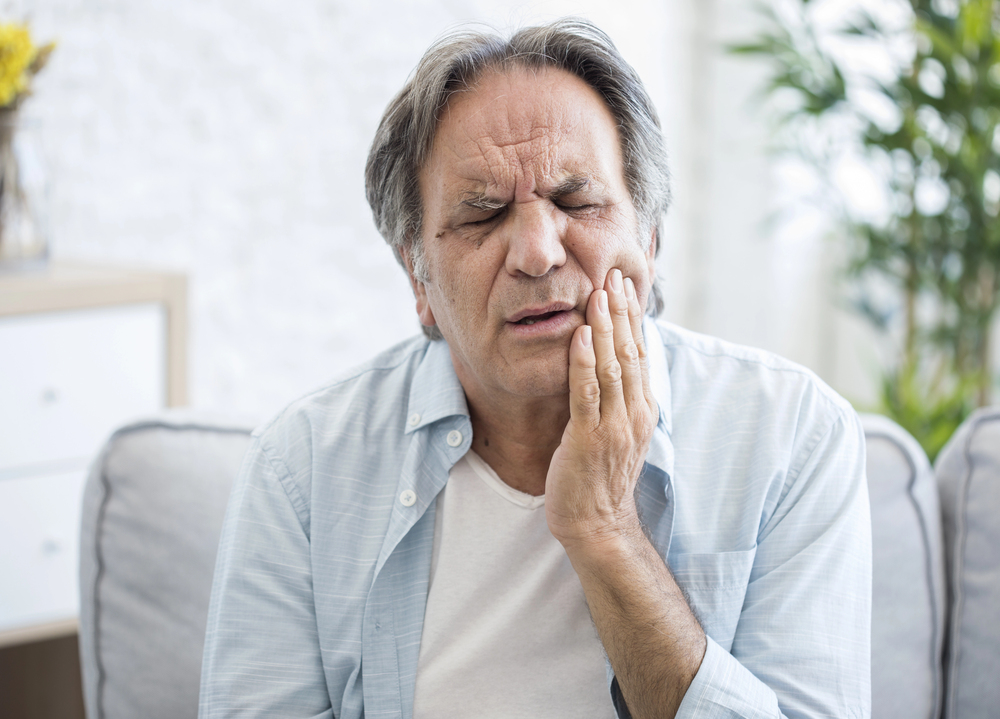
Some tenderness when biting or chewing is common during the first few days following root canal treatment.
The tissues surrounding the tooth's root may remain inflamed even after the infected or damaged pulp has been removed.
You might experience:
- Mild soreness when biting
- Tenderness around the gums
- Sensitivity to chewing pressure
- Minor jaw discomfort from keeping your mouth open during treatment
These symptoms should gradually improve.
However, severe pain, worsening discomfort, or a bite that feels unusually high may indicate that your tooth needs further evaluation.
If your discomfort is persistent or increasing, contact your dentist. Portland Emergency Dentist provides emergency toothache treatment to evaluate ongoing dental pain.
How Long Does It Take to Recover From a Root Canal?
Many patients return to normal daily activities the same day or the following day.
Mild tenderness generally improves within several days, although some teeth take longer to settle.
Your recovery depends on several factors, including the severity of the original infection, the condition of the tooth, and whether additional restorative treatment is needed.
To support recovery:
- Follow your dentist's aftercare instructions.
- Take prescribed or recommended medications as directed.
- Brush and floss gently around the treated tooth.
- Avoid hard or sticky foods.
- Keep your follow-up appointment.
- Complete your permanent restoration as recommended.
If you experience increasing swelling, fever, severe pain, or a temporary filling that comes out, contact your dentist promptly.
Facial swelling accompanied by difficulty breathing or swallowing requires emergency medical attention.
Do You Need a Crown After an Emergency Root Canal?
Not every root canal-treated tooth requires a crown, but many back teeth do because they handle considerable chewing pressure.
A crown can help protect a weakened tooth from cracking and restore its normal shape and function.
At Portland Emergency Dentist, we provide dental crown and filling restorations for patients who need to repair or protect damaged teeth.
If your dentist recommends a crown, don't delay the appointment simply because your tooth no longer hurts. An unprotected tooth may fracture, potentially requiring more extensive treatment.
Get Emergency Root Canal Treatment in Portland
An emergency root canal can help relieve severe tooth pain, treat infection, and preserve your natural tooth. With the right aftercare, most patients can return to eating comfortably as their tooth recovers.
The most important things to remember are to wait until the numbness wears off, choose soft foods, and protect your treated tooth until your dentist completes any necessary restoration.
At Portland Emergency Dentist, we provide same-day emergency dental treatments for tooth infections, severe toothaches, damaged teeth, and other urgent dental concerns.